Making blast sites safer with technology
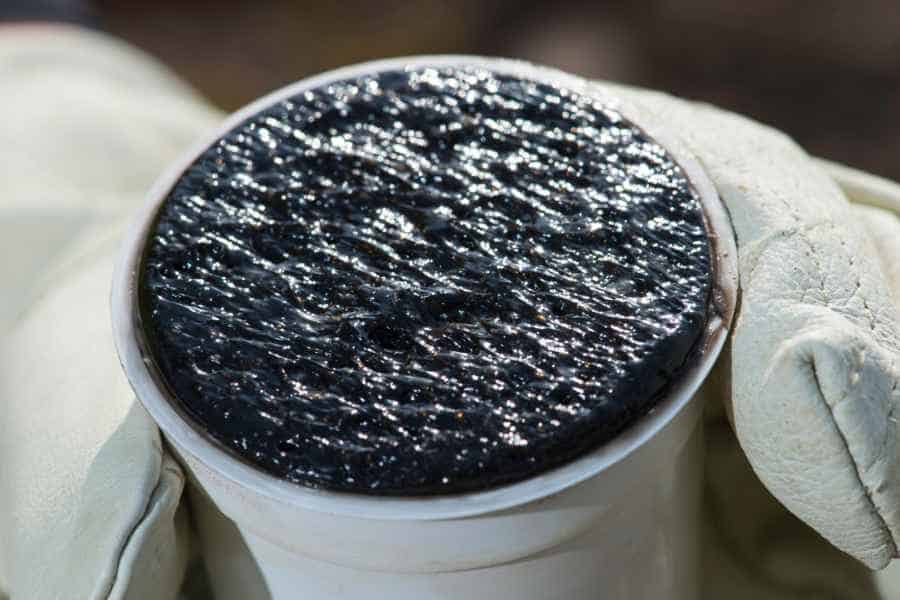
A local blasting company is adapting mineral scanning technology to quickly identify reactive ground conditions that could lead to blast site incidents, thereby ensuring safer blasting practices.
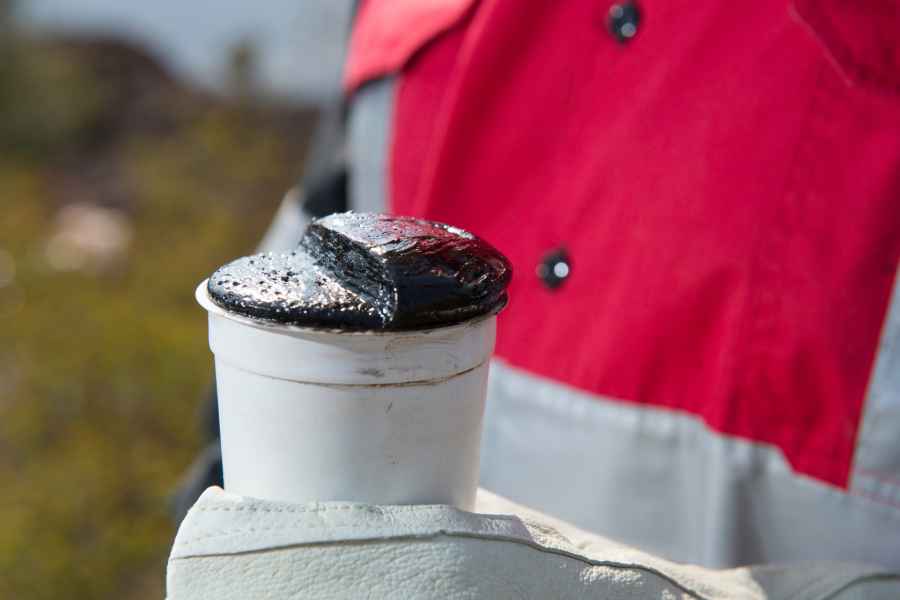
In a first for South African mining, Gold One’s Modder East mine has rolled out an innovative infrastructure to use emulsion explosives for all 70 of its underground narrow-reef stope panels, as part of its strategy to reduce its cost per ton mined.
The powerful combination of mobile computing and ‘cloud’ data storage is starting to transform safety and productivity on mines that embrace technology, according to BME senior software developer Nicky Klacar.
Delivering high-quality bulk emulsion explosive to a remote island in the Atlantic Ocean – and ensuing problem-free blasting for a two-year project – has proved BME’s ability to design and manufacture a safe and reliable product suited to the most demanding conditions.
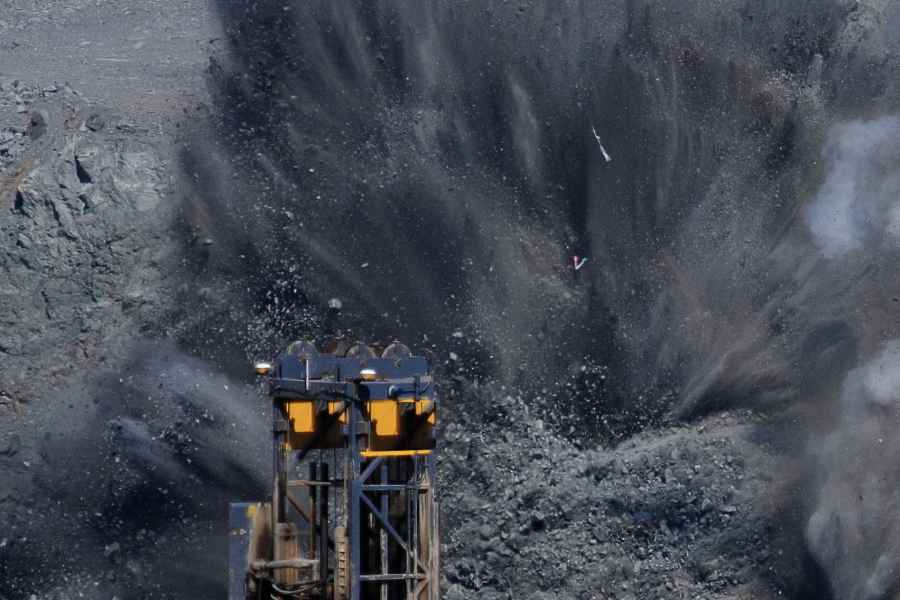
Daunia Open Cut coal mine in the north-eastern state of Queensland, Australia, has broken the world record for the largest electronic detonator blast ever – firing 5,665 detonators in 2,683 blastholes using the AXXIS™ digital detonation system from BME.
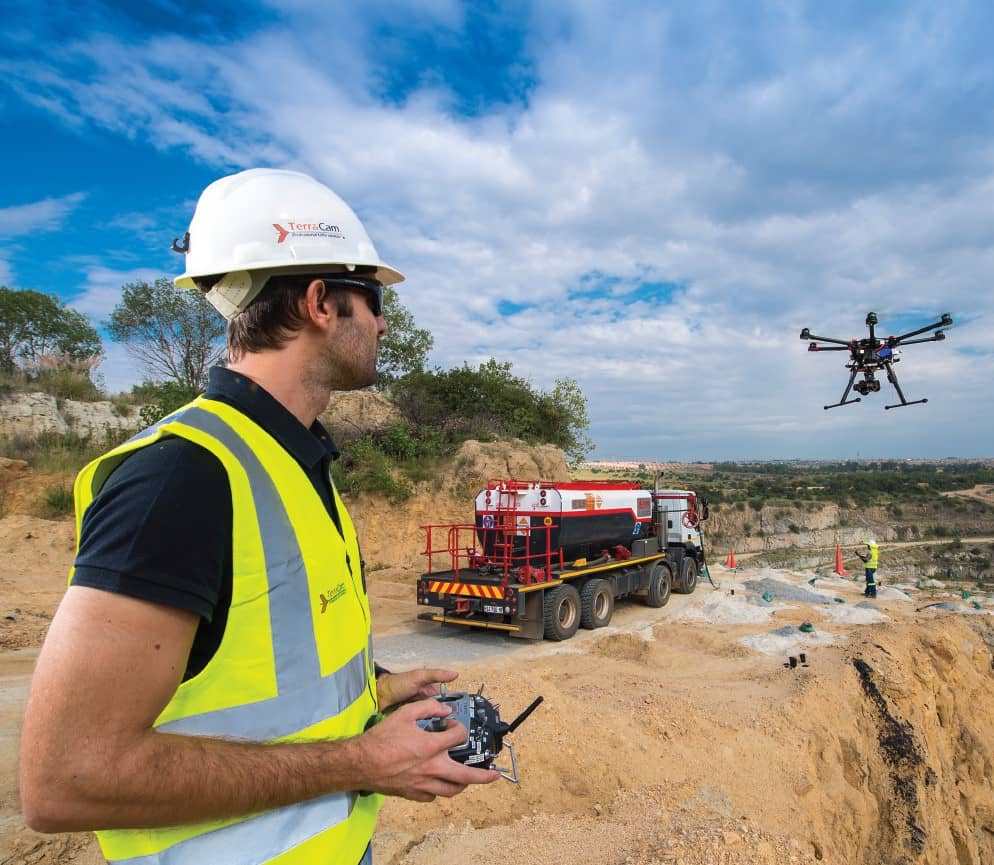
It is well known that good blast design ensures an effective distribution of powder that improves blast results and reduces drilling and blasting costs. Now, through the use of unmanned aerial vehicles (UAVs or drones), global positioning systems (GPS) and three-dimensional (3D) photogrammetric software, the field of blast design has been taken another step forward.